


Groups Recover Together
4.5666.00 Reviews
App Specs
- Version
- 1.8.2
- Updated On
- License
- Free
- Downloads
- 100,000+
- Developer
- Groups Recover Together
- Categories
- Medical
- Platform
- Android
Screenshots
 Analysis by AppCompare
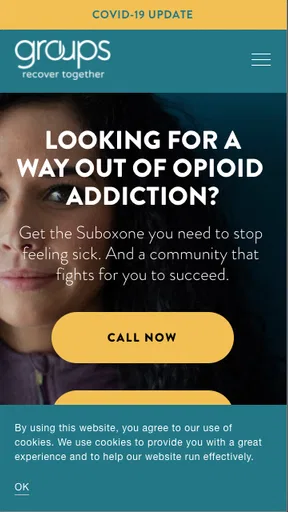
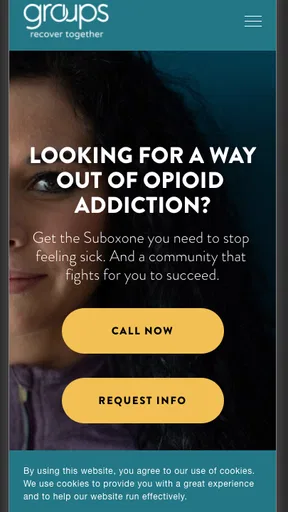
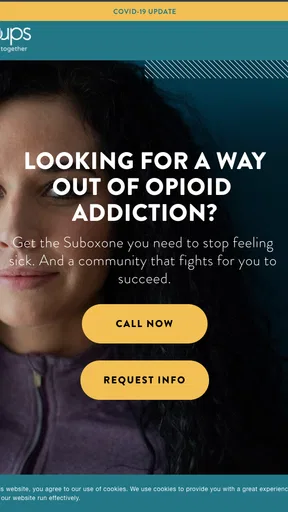
Recovery support is not something I want an app to make feel complicated, slow, or intimidating. Groups Recover Together takes a focused approach as a medical app from Groups Recover Together, aimed at people seeking help with opioid addiction treatment. I found its central idea easy to understand: reduce some of the fear and shame around asking for support, then make the digital part of that process feel approachable.
The app is free, carries an Everyone age rating, and has reached over 100,000 installs. Those details make it relatively easy to try, especially for someone who is unsure whether a digital companion will fit into their routine. Its average rating sits at 4.5 from around 1,600 ratings, with roughly 600 written reviews, which suggests that many users find value in it while still leaving room for individual experiences to differ.
I would not describe this as a general wellness tracker or a replacement for every kind of addiction-care service. Its identity is much narrower and more serious. That focus is its strongest quality, but it also tells you who should consider it and who may be better served by a broader health platform or direct clinical care.
How the app feels in everyday recovery routines
I find this app’s strongest everyday role is as a focused place to begin, rather than a tool that should carry someone through recovery on its own. In this section, I’ll look at how a person might fit it around ordinary responsibilities and why choosing one small, concrete purpose for each visit can make the experience feel more manageable.
A focused starting point instead of a noisy health dashboard
Many medical apps try to cover appointments, medication reminders, exercise, sleep, nutrition, mood, and general education in one place. That can be useful, but it can also make a person feel as though they have opened a complicated administrative system. Groups Recover Together presents a more specific purpose, which is important when the user may already be dealing with stress, uncertainty, or embarrassment.
In my view, the most valuable part of that focus is psychological rather than technical. The app does not need to compete with a fitness dashboard or a large symptom database to be useful. It needs to feel like a manageable doorway into treatment-related support. A person who has been postponing help may respond better to a clear, recovery-centered experience than to a generic medical portal filled with unrelated tools.
The developer’s own positioning around making opioid addiction treatment feel less shameful and frightening gives the app a distinct tone. I appreciate that direction because language matters in this category. A cold interface or overly clinical wording can make a difficult step feel even harder. The app’s purpose is easier to grasp than that of many broad healthcare products, and that clarity can reduce hesitation.
Worth Reading Before You Choose

EA SPORTS FC Mobile 26 Is a Bigger Football Game, but It Takes Time

Flipboard Shows What News Apps Must Do Beyond the Feed

Switching to Android Auto Means Rethinking Your Driving Routine

Google Calendar Makes a Crowded Week Easier to Manage

Ludo King Makes the Most of the Minutes Between Plans

Baby Panda World Brings Quick Play to Modern Phones, but Its Game Library Feels Busy
What speed means here
For a recovery app, speed is not just about how quickly a screen appears. It is also about how quickly a user can understand what to do next. A person checking the app before work, during a stressful evening, or while preparing for a treatment-related task should not have to decode a maze of menus before finding the relevant path.
I would judge this app by short, purposeful sessions rather than by how long it can keep someone engaged. That is a good fit for medical support. If I open it while distracted or anxious, I want the experience to get me to the useful part without turning recovery into another time-consuming digital obligation.
There is also an important trade-off. A focused app can feel faster because it presents fewer competing choices, but it may not satisfy someone who expects a complete personal health record, extensive educational library, or a large collection of self-management tools. In that situation, a full healthcare portal may offer more breadth, even if it feels heavier to navigate.
A realistic moment when it can help
Imagine someone has a treatment-related commitment later in the day but wakes up feeling uncertain and tempted to avoid it. Opening a recovery-specific app can be a smaller first action than searching the web, calling several offices, or trying to interpret general medical advice. The practical benefit is not that a phone can solve opioid addiction. It is that a dedicated starting point may help the person move from avoidance toward contact with appropriate support.
I also see value for someone who wants to keep recovery-related information separate from general health apps. Mixing sensitive treatment concerns into a busy wellness dashboard can feel impersonal. A specialized app gives the user a clearer mental boundary: when it is opened, the purpose is connected to recovery rather than steps, calories, or sleep scores.
That said, I would not rely on it alone during an urgent crisis. If someone is in immediate danger, experiencing an overdose, or facing severe withdrawal or another emergency, emergency services and qualified medical professionals matter more than any app. The app can be part of a treatment routine, but it should not be treated as an emergency substitute.
Heavy-use moments and practical friction
The most demanding moments for an app like this are likely to be emotionally heavy rather than graphically intensive. A user may open it repeatedly while making difficult decisions, preparing for treatment, or trying to stay connected to a recovery plan. In those moments, even small friction can feel larger than it would in an ordinary app.
Repeated use also changes what I expect from the interface. A first visit can be exploratory, but later visits should feel familiar. Clear wording, predictable navigation, and a calm presentation matter more than decorative animations. I would rather see a simple path that supports a difficult day than an impressive design that asks for unnecessary attention.
There is a subtle trade-off between simplicity and context. Removing clutter helps a person act quickly, but too little explanation can leave a new user wondering whether the app is intended for them, what step comes next, or how it fits alongside professional treatment. A good recovery tool has to be direct without becoming cryptic.
For that reason, I recommend approaching the first session with a specific goal. Instead of tapping through every available area, I would identify the immediate need first: understanding the treatment pathway, finding the next relevant action, or deciding whether the service matches the kind of support being sought. That approach reduces cognitive load and makes it easier to notice whether the app is genuinely useful after the initial impression.
Stability matters more than visual polish
Medical apps earn trust through consistency. If an app behaves unpredictably, loses progress, or makes a user repeat an important step, confidence can disappear quickly. I pay more attention to dependable behavior than to visual novelty in this category because the user may already feel vulnerable.
Groups Recover Together has a relatively modest technical footprint in concept: it is a specialized support app rather than an entertainment product with demanding graphics or constant background activity. That makes it reasonable to expect ordinary phones to be a more natural home for it than they would be for a resource-heavy game. Still, the experience can depend on the phone, operating system, connection quality, and the service behind the app, so I would avoid treating any medical app as universally flawless.
The current version is 1.8.2, and compatibility begins with Android 7.0. I see the broad operating-system support as helpful for people who do not own a recent flagship phone. Recovery support should not be limited to users with expensive hardware. At the same time, older devices may have their own storage, battery, or system limitations, so keeping the phone updated and leaving reasonable free space is sensible before relying on the app regularly.
Device constraints and resource expectations
Because the app is centered on treatment support rather than high-end media, I would not choose a powerful phone specifically for it. A basic, functioning Android device should be a practical starting point, provided it meets the minimum operating-system requirement. That is a meaningful advantage for accessibility, particularly when someone is using an older phone or a device shared with other responsibilities.
Resource demands still matter in real life. A phone with very little free storage can make any app frustrating to maintain, while aggressive battery-saving settings can interfere with notifications or background behavior in some applications. I would check those settings if the app is expected to support time-sensitive routines. I would also avoid testing it for the first time during a stressful appointment or another moment when there is no patience for troubleshooting.
Another constraint is the phone itself. A personal device may feel private and convenient, but a shared phone can make sensitive recovery activity more visible to other people. That is not a flaw unique to this app; it is a practical consideration for any medical service used on a device that others can access. I would think about screen visibility, account access, and when the app is opened, especially in a household where privacy is limited.
Users on iOS should also make sure they are looking for the appropriate version for their device rather than assuming that an Android compatibility detail applies to every platform. The important point is to check the app’s current requirements on the relevant store before depending on it. I would not let a single device constraint discourage someone from seeking professional treatment through another available route.
How it compares with usual alternatives
The usual alternatives fall into several groups. A general medical portal may be better for managing many conditions, appointments, records, and prescriptions in one place. A peer-support community may offer more conversation and a stronger sense of shared experience. A therapy or meditation app may provide broader emotional tools. Direct communication with a clinician remains more appropriate when a personal medical decision needs professional assessment.
Groups Recover Together occupies a more focused position. Its advantage is that the subject is not diluted by unrelated wellness content. If I wanted an app specifically connected to opioid addiction treatment rather than a general health dashboard, that specialization would make it more relevant. The limitation is equally clear: someone looking for a broad recovery toolkit, extensive journaling, or a large social community may find a different category of app more satisfying.
I would also be cautious about comparing its rating directly with entertainment apps. A 4.5 average from around 1,600 ratings is encouraging, but medical usefulness is personal. An app can be well regarded and still not match a particular person’s treatment pathway, device, communication needs, or expectations. Written reviews can reveal recurring usability themes, but they cannot replace a conversation with a qualified provider.
Who will get the most from it
I think this app is best suited to adults and families looking for a clear digital entry point into opioid addiction treatment, especially when shame or fear has become a barrier. It may also suit someone who dislikes broad wellness products and wants a more direct connection to a recovery-focused service.
It can be useful for a person who needs a reminder of the next practical step, wants treatment-related support in a dedicated space, or is comparing ways to begin seeking care. The fact that it is free lowers the financial barrier to trying it, although “free” should not be confused with every possible treatment cost being covered. The app itself does not turn healthcare into a cost-free process.
I would skip it, or at least look elsewhere first, if the main goal is emergency assistance, general mental-health therapy, medication management for several unrelated conditions, or a highly social recovery community. I would also avoid making it the only support system if a clinician has recommended a different care plan. The best use is as one part of a broader, professionally guided recovery routine.
Small habits that make evaluation easier
My first tip is to judge the app after several purposeful visits rather than after a single glance. The first session mainly tells you whether the tone feels comfortable. Later sessions reveal whether it actually reduces effort or becomes another task to maintain. Notice how quickly you can reach the information or action you opened it for, and whether you remember the route the next time.
My second tip is to decide what role the app will play before using it. If it is meant to support treatment engagement, keep that purpose separate from unrelated phone habits. If it is meant to help someone explore care, use it alongside a written list of questions for a provider. This prevents the app from becoming a vague symbol of recovery instead of a practical aid.
My third tip is to test it under ordinary conditions, not only when the phone is fully charged and connected to fast Wi-Fi. A recovery routine may happen while traveling, during a busy day, or on an older device. Observing how comfortable the app feels in those circumstances gives a more honest picture of whether it belongs in daily use.
Finally, I would involve the appropriate professional when the app raises a treatment question that depends on personal medical history. Digital guidance can help organize the next step, but it cannot safely account for every medication, symptom, or risk without qualified clinical input.
My performance verdict
From a performance perspective, Groups Recover Together benefits from having a focused medical purpose rather than a demanding entertainment design. I would expect its strongest performance quality to be efficiency of attention: it asks the user to concentrate on recovery-related tasks instead of sorting through a crowded collection of unrelated features. That matters when emotional energy is limited.
Its real test is reliability during repeated, meaningful use. A recovery app does not need to be flashy, but it does need to feel dependable enough that a user is willing to return. Older Android support and a free entry point make it approachable for a wider range of people, while the specialized focus keeps the experience more relevant than a generic health dashboard for its intended audience.
My overall recommendation is positive but carefully framed. I would recommend trying it to someone seeking an opioid addiction treatment pathway who wants a dedicated, less intimidating digital starting point. I would not recommend treating it as a standalone medical solution, an emergency service, or a universal replacement for a clinician, peer group, or broader healthcare portal. Its best value is as a focused bridge between hesitation and action.
My bottom line: this is a sensible app to consider when a recovery-specific starting point feels easier than navigating general healthcare tools. The free price, Everyone rating, established install base, and clear purpose make experimentation straightforward. Just keep expectations realistic: the app can support engagement with treatment, but lasting recovery still depends on appropriate professional care, personal circumstances, and the wider support around the individual.
Groups Recover Together was released on March 24, 2021, and the current version remains 1.8.2. Those details are useful when checking compatibility, but the more important question is personal fit. If the app’s focused approach helps someone take one practical step toward opioid addiction treatment, it is doing something valuable. If the user needs urgent intervention, broad medical management, or a different kind of human connection, another option should take priority.
Pros
- Peer support creates accountability and reduces feelings of isolation.
- Recovery groups are led by trained facilitators
- not just automated tools.
- Medication-assisted treatment may be available through the program.
- Telehealth access can make counseling easier for people with busy schedules.
- The app helps connect members with others facing similar recovery challenges.
Cons
- Availability may depend on your location
- insurance
- and eligibility requirements.
- Some users may prefer private therapy over sharing experiences in a group.
- Regular participation can be difficult for people with changing schedules.
- The recovery approach may not suit users seeking treatment outside opioid use disorder.
- Technical issues or limited internet access can interrupt virtual sessions.
FAQs for Groups Recover Together
What is Groups Recover Together?
Groups Recover Together is a recovery support service designed for people working to overcome opioid use disorder. It combines medication-assisted treatment, typically involving buprenorphine prescribed by a clinician, with online group counseling and ongoing support. The service is intended to make treatment more accessible through virtual appointments, peer interaction, recovery education, and care coordination, although availability and exact services may depend on your location and eligibility.
How does treatment through Groups Recover Together work?
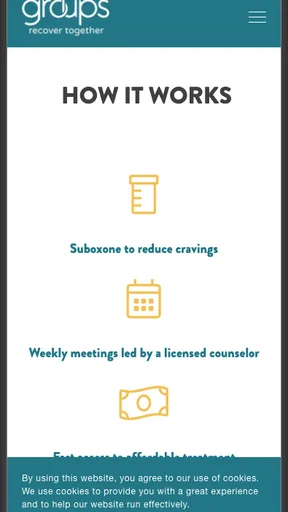
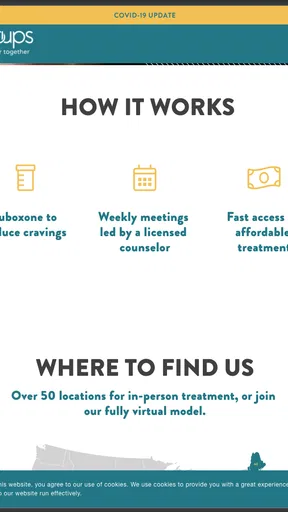
After completing an initial assessment, eligible members generally meet with a medical provider to discuss treatment options and receive prescriptions when appropriate. They also participate in virtual recovery groups, where members share experiences and learn coping strategies with guidance from trained counselors. The program may include regular check-ins, care coordination, and progress monitoring. Your schedule and treatment plan are based on clinical needs and local requirements.
Who can use Groups Recover Together?
Groups Recover Together is primarily intended for adults seeking help with opioid use disorder, including people who may benefit from medication-assisted treatment and structured peer support. Eligibility is not guaranteed and can depend on factors such as age, diagnosis, location, insurance coverage, and clinical assessment. The service may not be available in every state or region, so prospective members should confirm requirements before downloading or registering.
Does Groups Recover Together accept insurance, and what does treatment cost?
The cost of Groups Recover Together can vary according to your location, insurance plan, treatment needs, and eligibility for financial assistance. The service works with certain insurance providers and may offer options for people who are uninsured or underinsured, but coverage details should be verified directly. Before beginning treatment, ask about consultation fees, medication costs, group sessions, copayments, deductibles, and any services billed separately.
Can Groups Recover Together replace emergency or crisis care?
No. Groups Recover Together is intended for ongoing recovery treatment and support, not for medical emergencies, overdose situations, or immediate psychiatric crises. If someone has trouble breathing, loses consciousness, may have overdosed, or faces an urgent danger, call emergency services immediately and use naloxone if available and appropriate. The app or service also should not be used as a substitute for advice from a qualified healthcare professional.


